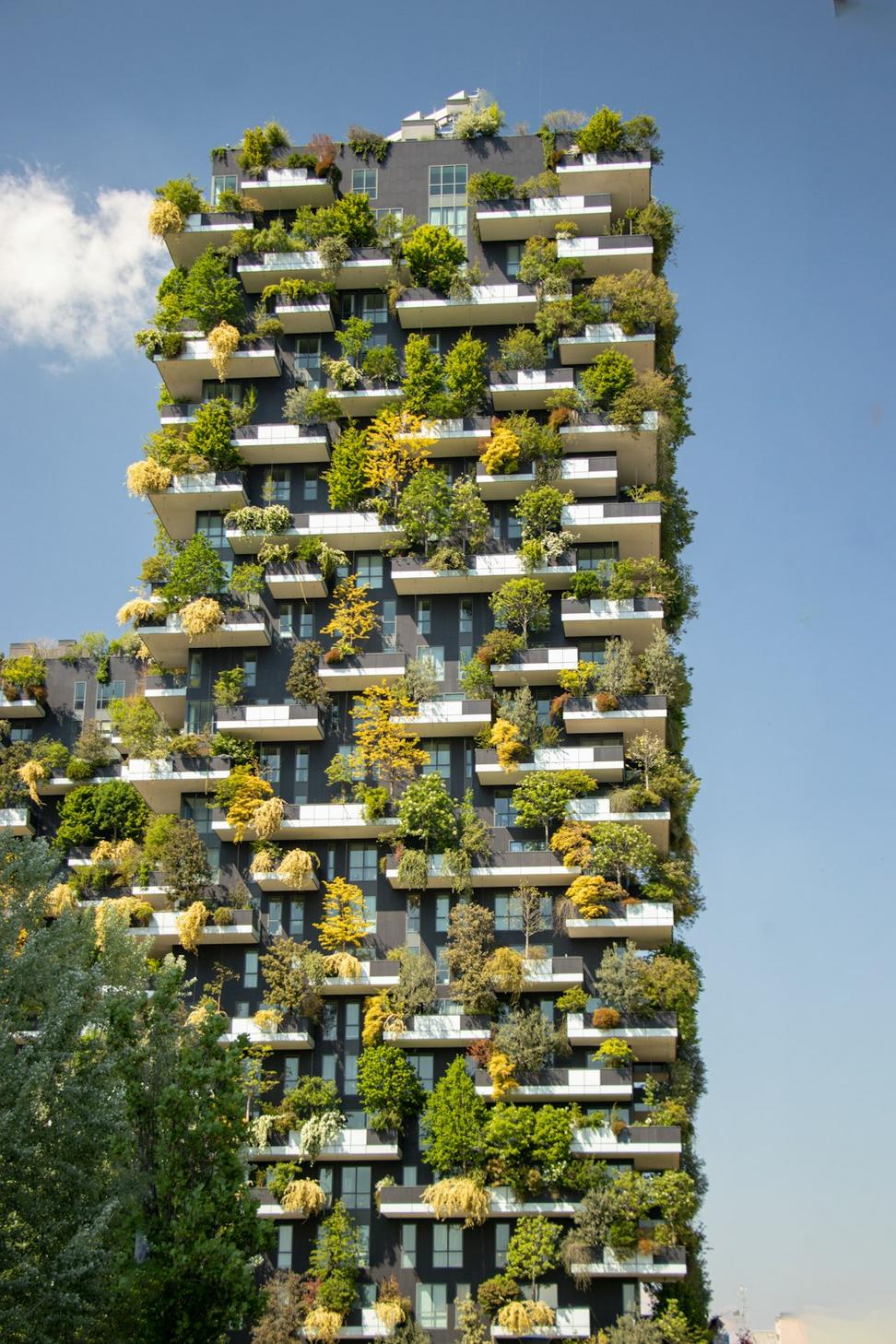
Honestly? We've been obsessed with green building since way before it was the 'cool' thing to do. It's not just about slapping some solar panels on a roof and calling it a day.
Look, I'll be straight with you - when we started out in 2009, sustainability was mostly seen as this expensive add-on that clients tolerated. But we saw something different happening in Vancouver's urban landscape.
Every building we design is gonna sit there for 50, maybe 100 years. That's a long time to be sucking energy and spitting out carbon. So we figured, why not do it right from the start? Turns out, our clients love saving money on utility bills, and the planet doesn't mind either.
We've worked on projects ranging from tiny heritage restorations to massive commercial complexes, and the one constant? There's always a smarter, greener way to do things if you're willing to dig for it.

Real numbers from actual projects - no greenwashing, just facts.
Average Energy Reduction Across Portfolio
Water Usage Decrease in Completed Projects
Tonnes CO2 Offset Annually
Construction Waste Diverted from Landfills
So yeah, percentages are nice and all, but let me break it down in terms that make sense. That 42% energy reduction? That's like taking about 180 cars off the road every year. The water savings in our last commercial project alone could fill an Olympic swimming pool... twice.
And that construction waste number? We've gotten really good at finding second lives for materials. That heritage restoration on Robson Street? Almost 95% of the original timber got repurposed. Felt pretty good about that one.
These aren't theoretical ideas - this is the stuff we actually use on projects. Some of it's high-tech, some of it's been around for centuries. All of it works.
Started doing solar way back when the panels were clunky and expensive. Now? They're sleek, affordable, and BC Hydro's net metering makes 'em a no-brainer for most projects.
We've gotten really good at integrating them into the design from day one - not just slapping them on as an afterthought. Sometimes they become the main architectural feature.
Vancouver gets enough rain to fill a small lake every year. We capture it, filter it, and use it for toilets, irrigation, and sometimes even laundry. The city's been super supportive of this stuff too.
One commercial client cut their water bill by 60% with a system that paid for itself in under 4 years. That's just smart business.
Why use AC when you can use physics? Strategic window placement, thermal mass, stack effect - this is ancient wisdom that still works. And it feels so much better than recycled air.
Obviously doesn't work for every building, but when it does? Chef's kiss. Zero energy cooling is a beautiful thing.
Ground-source heat pumps are kinda magic - using the earth's constant temperature to heat and cool buildings. Upfront cost is real, but the long-term savings and comfort are worth it.
We've installed these on 8 projects so far. The efficiency gains over traditional HVAC are honestly impressive - we're talking 40-50% less energy for heating and cooling.
Heritage projects taught us this - old timber is often better quality than new stuff, and it's got character you can't fake. We've built relationships with salvage yards and deconstruction crews across BC.
Sometimes finding the perfect reclaimed beam takes longer than ordering new, but when you see it in place? Totally worth the hunt.
Living roofs aren't just pretty - they insulate, manage stormwater, cool the urban heat island effect, and give back habitat. We've done everything from intensive rooftop gardens to simple sedum carpets.
Pro tip: get a good structural engineer involved early. These things are heavier than you'd think when they're soaked.
Here's the thing nobody likes to admit - sustainable design isn't always straightforward. Sometimes the 'greenest' option on paper doesn't work with the budget, the site, or the building code. We've had projects where we had to make tough calls.
But here's what I've learned after 15+ years doing this: perfection is the enemy of progress. A building that's 40% more efficient than code and actually gets built beats a theoretical net-zero building that never leaves the drawing board.
We push for the best we can achieve with each project's unique constraints. Sometimes that's Passive House certification. Sometimes it's convincing a client to invest in better insulation instead of fancier countertops. Every bit counts.
The other truth? Sustainable design usually saves money in the long run. Like, actually. Not 'maybe in 30 years' savings, but real money within 5-7 years. Better insulation means smaller HVAC systems. Smart orientation means less need for artificial lighting. It all adds up.
Depends on how you do it. If you're retrofitting sustainability into a design that wasn't planned for it, yeah, it gets expensive. But when we bake it in from the beginning? The premium is usually 3-8% for significant improvements.
And honestly, better insulation and smarter design often means we can downsize mechanical systems, which offsets some of that cost. Plus operational savings start immediately - we're talking hundreds per month on utilities for residential, thousands for commercial.
Honestly? The building envelope - walls, windows, roof. Get that right and everything else becomes easier and cheaper. A super-insulated, airtight envelope means you need less heating and cooling equipment, which saves money and energy forever.
Second place goes to orientation and window placement. Using the sun intelligently is free and it's been working for thousands of years. We can usually improve energy performance by 20-30% just by thinking hard about where windows go and how big they are.
This is literally one of our favorite challenges. Old buildings have inherent sustainability - they've already lasted 80-100 years without needing replacement. The embodied energy in those materials is huge.
We upgrade mechanicals, improve insulation where we can without damaging historic fabric, install efficient windows that match original profiles, and add renewable energy systems. You won't hit Passive House levels, but we've gotten heritage buildings to perform better than new construction that just meets code. It's doable and it's worth it.
Solar panels typically come with 25-year warranties and keep producing for 30-40 years. Geothermal systems last 25+ years for the inside bits